

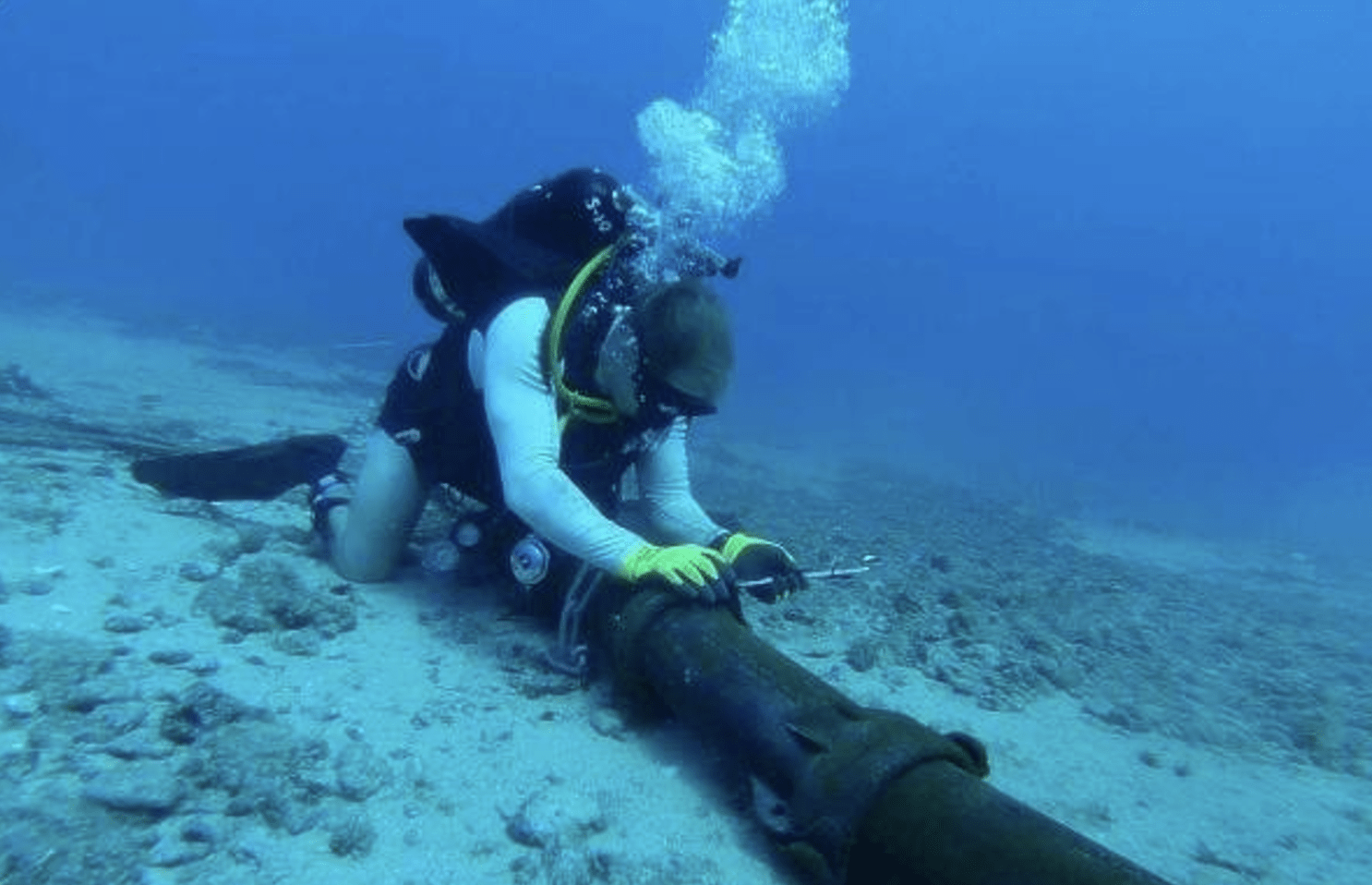
“The seabed is becoming a battlefield,” Deputy Prime Minister and Defence Minister Richard Marles warned at the Shangri-La Dialogue in May, and “we have been slow – collectively slow – to recognise [submarine cables] as the strategic targets they have become.”
Some 16 privately operated submarine cables carry around 99 per cent of Australia’s international data – the financial transactions, government communications and cloud services on which the country’s economy and security depend. Recent incidents in the Baltic Sea and around Taiwan suggest that state actors are actively probing this infrastructure, and history suggests Australia’s cables would be among the first targets in any regional conflict.
Yet submarine cables barely rate a mention in Australia’s key strategic documents, responsibilities are fragmented across Commonwealth agencies, and these agencies have no means of ensuring priority repairs even in a national emergency.
What must Australia do to secure its submarine cable network? And how can it seize the opportunity to become an Indo-Pacific preferred cable hub?
Dr David Brewster (ANU National Security College) and Dr Samuel Bashfield (La Trobe Centre for Global Security) explored these issues, drawing on a major new body of research produced under an Australian Department of Defence Strategic Policy grant. This includes Connected & Protected: Building Australia’s Submarine Cable Resilience, the most comprehensive assessment of Australia’s submarine cable network to date, and Dr Bashfield’s newly published short book Submarine Cables (Cambridge University Press, 2026), which examines how the contest to control cable infrastructure is re-wiring the Indo-Pacific.
The event was held at the AIIA Victoria as part of their Defence and Security series and was, co-hosted with the Australia India Institute and the La Trobe Centre for Global Security.