

By Research Fellow and Senior Policy and Projects Manager (Security and Geopolitics), Grace Corcoran
The sea lanes that traverse the Indian Ocean carry the fuel, food and goods that underpin Australia’s economic security. Future disruptions anywhere along these routes, whether in the Strait of Hormuz or off the east coast of Africa, will be felt in Australia.
Yet Australia’s ability to respond is constrained. In the 2026 National Defence Strategy released last week, the Australian government has again highlighted its “primary area of military interest” as stopping at the Northeast Indian Ocean.
But instability in the western Indian Ocean will inevitably affect the east. This is why Canberra must support like-minded partners, in the extended region, in their resilience building activities. This will strengthen the region’s stability, support the systems on which Australia depends, and help ensure Australia’s partners can act when Australia cannot.
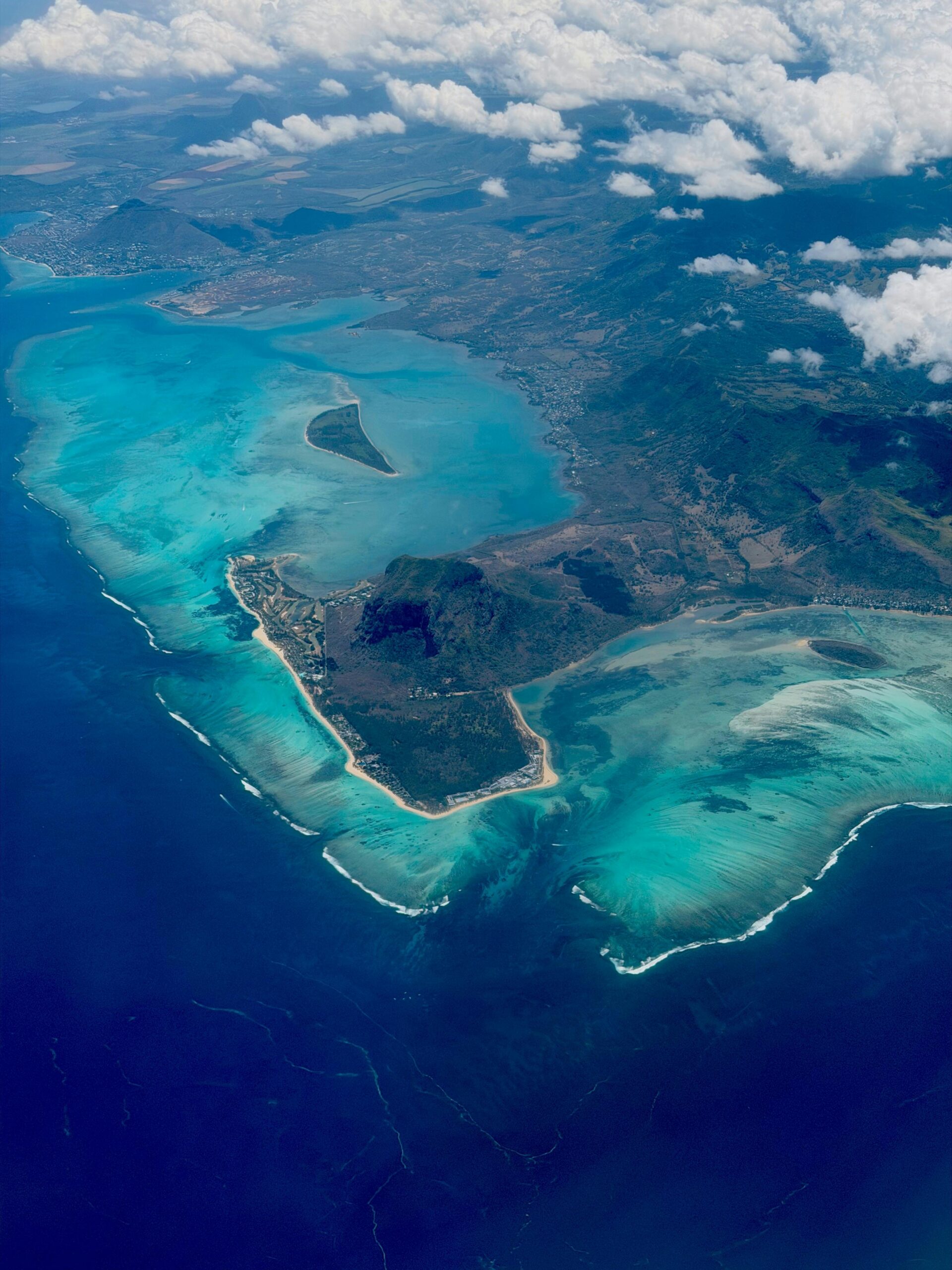
In this context, Mauritius is an obvious partner where Australia should turn its attention. The country has built a reputation as one of Africa’s most stable and well-governed economies, with strong institutions, a robust financial services sector, and high regulatory standards. It is also increasingly positioning itself as a regional hub, including through hosting major international forums such as the 9th Indian Ocean Conference and the upcoming Africa-US Business Summit.
Mauritius is also a super connector. It is at the nexus between Africa, the Indian Ocean and broader Asia, connecting the fast-growing economies in the world. It is both part of the Africa Free Trade Area and the Indian Ocean Rim Association (IORA), serving as the latter’s administrative hub.
This matters because regionalism is becoming increasingly important as multilateralism struggles to deliver. A more effective IORA, supported by capable member states, offers one pathway to shaping a more stable regional order. With the support of partners, Mauritius can step up and become a driving force behind the reinvigoration of the grouping.
Mauritius’ deep relationship with India is also worth noting. Australia describes India in the 2026 National Defence Strategy as a “top-tier security partner” in the Indian Ocean, so drawing on India’s close ties with Mauritius offers a practical way for Australia to coordinate its engagement more effectively.
The major geopolitical consideration is the US–UK base in Diego Garcia and the broader Chagos Archipelago. The future of these islands is the focus of continued international attention, with the UK having set out plans to hand sovereignty of the archipelago back to Mauritius and then lease the base for the next 99 years. This would mark a vital step for decolonisation in the region. Mauritius will need the institutional capacity, financial resourcing and human capability to manage these responsibilities – and that is where Australian engagement can make a difference.
What should Australia do? First, Canberra should strengthen its partnership with Mauritius in the western Indian Ocean, building on existing success. Appointing a defence attaché to Port Louis would send a strong signal about Canberra’s views of shared security. Including Mauritius in the New Colombo Plan or Australian Volunteers International programming will build familiarity between the two nations. The Department of Foreign Affairs and Trade (DFAT) could also consider investing in the Charles Telfair Centre, the only think tank on the island and led by Curtin University, to boost two-way knowledge diplomacy. A small investment here would yield considerable return.
Second, Australia should invest in Mauritius’ capacity to coordinate development assistance and build resilience. The country is currently facing a proliferation of uncoordinated, well-meaning programs. Working alongside India, Canberra can help streamline overlapping capacity-building initiatives and improve their effectiveness.
Third, Australia should support the strengthening of IORA, helping build the resourcing and agency of the secretariat so that it can set an ambitious agenda for collaboration, perhaps through lobbying for financial support from Dialogue Partners. Australia could also co-host a Track 2 event on the sidelines of next year’s Indian Ocean Conference, alongside India, as co-Chairs of the IORA Maritime Safety and Security working group.
Fourth, Australia should provide technical support in areas where it has clear expertise. At the 9th Indian Ocean Conference, Mauritius identified gaps in monitoring critical subsea cables, and issues with cyber threats on shipping routes. DFAT’s Cable Connectivity and Resilience Centre could have an influence here, perhaps through a grant round focused on Australia-India-Indian Ocean Island States collaboration. Including a few senior Mauritians in maritime domain awareness programs already running in the Northeast Indian Ocean would be a low-cost way to share knowledge across the region.
Australia cannot do everything, but it cannot do nothing. Limiting deep engagement to the Northeast Indian Ocean makes sense as an acknowledgement of the limits on capacity. Canberra must now make sure it has strong partnerships with capable countries that can bolster the region’s stability beyond where Australia’s resources reach.
This article was originally published in the Lowy Interpreter. (Image: Vincent Rivaud/Pexels)